

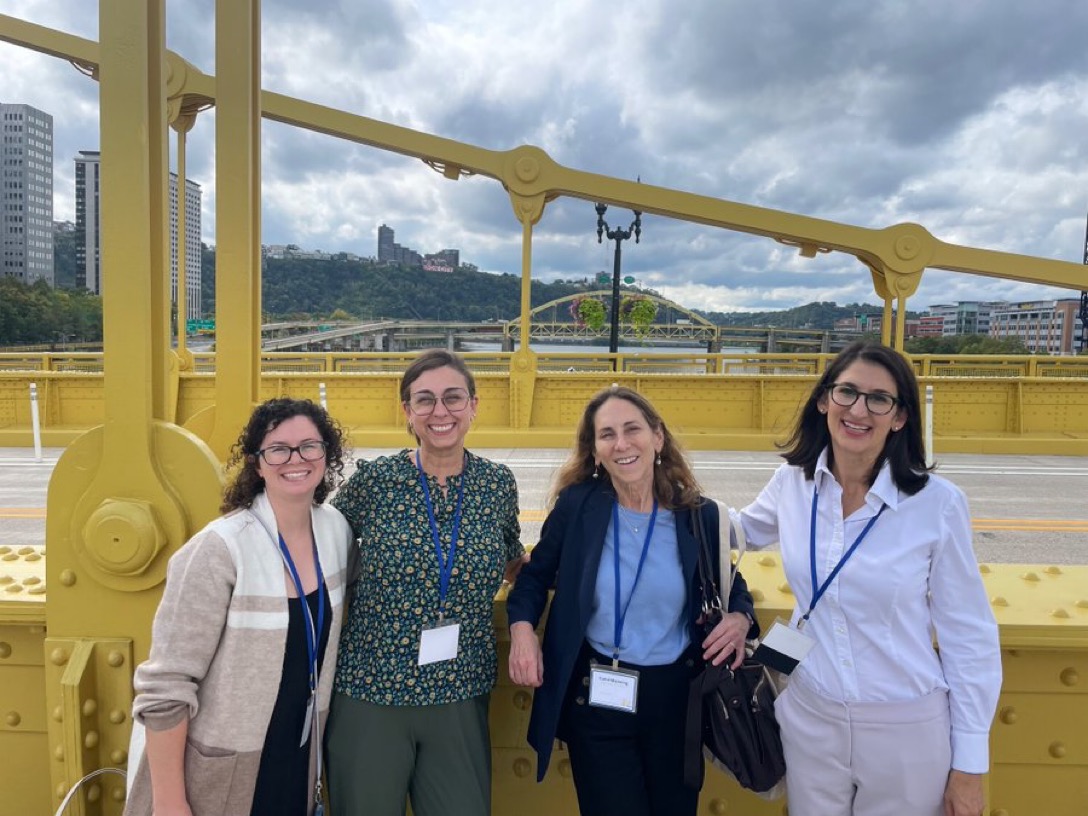
At the end of September 2024, over 150 people gathered in downtown Pittsburgh for Building Bridges, the 3rd Biennial Conference on Family Caregiving Research. Attendees from across the nation truly highlighted the interdisciplinary and collaborative nature of caregiving research! Conferencegoers represented a variety of disciplines, practice levels, and more, including:
- Nine different disciplines (gerontology, health and rehabilitation sciences, medicine, nursing, pharmacy, psychology, public health, social work, and sociology)
- 38 areas of focus (Alzheimer’s Disease and Related Dementias; Aging in Place; Assessment; Cancer; Caregiving across Care Recipient Conditions and across the Lifespan; Care recipient abuse/neglect; Care Values and Preferences; Communication; Cognitive Impairment; Comparative Caregiving Research; Death, Dying, and Bereavement; Disability; Depression, Anxiety, Social Isolation; Disparities; Diversity, Equity and Inclusion; End-of-Life; Environmental factors and caregiving; Dyadic Research; Economics of Caregiving; Education and Training of Caregivers; Ethics; Family and Intergenerational Relations; Friendship, Social Networks, Social Support; Health and Social Services Interventions; Lesbian, Gay, Bisexual, Transgender, Queer caregivers and care recipients; Long-Term Care; Mental Health; Minority and Diverse Populations; Palliative Care; Policy; Pediatrics; Primary Care and Caregiving; Psychosocial Well-Being; Rehabilitative Care/Physical and Occupational Therapy; Research Methods and Issues; Social Determinants of Health and Caregiving; Social Services: Policy, Financing, and Delivery Systems; Technology)
- 86 researchers, 20 post-docs and clinical trainees, 38 students, 7 clinicians, and 12 advocates and family caregivers, and more
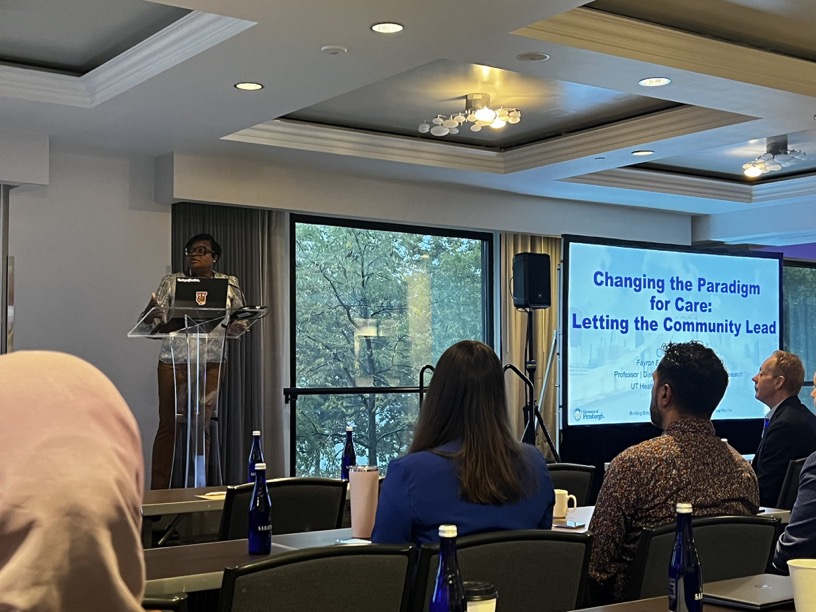
Over a jam-packed two and a half days, sessions highlighted the full continuum of caregiving research across the lifespan and across disciplines. Topics of discussion included children and youth caregivers, evidence-based caregiving policy, scaling collaborative care, and more. One lunchtime panel covered the role of researchers in the 2022 National Strategy to Support Family Caregivers, and included representatives from Community Catalyst, UCSF, US Aging, USC, and NAC as the five grantees of the National Caregiver Support Collaborative. Another covered funding streams available for caregiving researchers and included representatives from the Alzheimer's Association, RRF Foundation for Aging, PCORI, the National Cancer Institute, the National Institute on Aging, the American Cancer Society, and the National Alliance for Caregiving.
Nicole Jorwic, Chief of Advocacy and Campaigns at Caring Across Generations, spoke on the interdependence between paid and unpaid caregivers. Family caregivers themselves were also highlighted, having the chance to share their own priorities, needs, and perspectives with attendees. A full agenda of all sessions that showcased innovations in research and built bridges across disciplines and conditions is also available, with speaker bios included.
Slides are available for most conference sessions. To view the slides, open the agenda-at-a-glance below, and click the title of the session you wish to view slides for. If available, the file will download when you click.
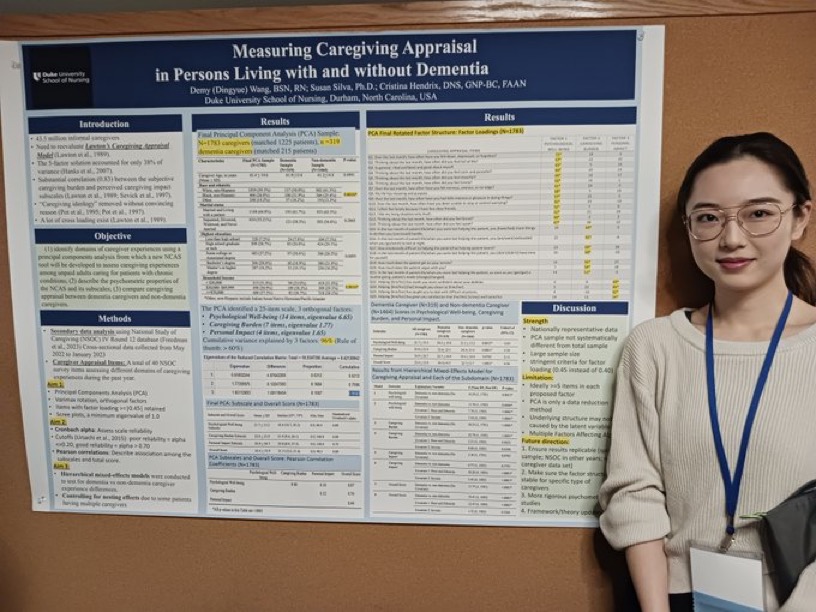
Giving attendees the opportunity to connect and build future collaborations to advance the future of caregiving research was a key part of the conference. During two separate poster sessions, attendees showcased their own caregiving research findings and had the chance to learn from the expertise of others. A table of abstracts sorted by author can be viewed here. Authors with a black box around their name have made their posters available for download, just click their name to do so. Networking dinners were also held to facilitate further connections, highlighting the importance of interdisciplinary connections across institutions.
Attendees surveyed made clear how important a national conference on caregiving research is for their research, training, and practice.
- 95% of conference goers prioritized this conferences in their top two or three to attend annually
- 95% agreed they met new potential collaborators at the conference
- 93% agreed the conference stimulated new research questions
- 100% agreed they felt motivated to contribute to caregiving policy
- 100% agreed the conference increased their sense of belonging/commitment to family caregiving research, policy, or practice
- 98% agreed the conference helped train the next generation of caregiving researchers
The conference was built on the themes, advances, and connections made during our 2nd Conference on Family Caregiving. You can find a short summary of our 2nd Conference on Family Caregiving here.
